
The term vs. permanent debate is one of the most common conversations I have with clients who are new to life insurance planning. Both have a place. Neither is the right answer for everyone. What matters is matching the structure to the actual planning need, and understanding the trade-offs clearly before you commit.
I am Elizabeth Kusmider, CFP®. I work with business owners and high-income individuals to design coverage that fits their financial lives, not just their budget. Here is how I think about this decision.
Term life insurance provides a death benefit for a defined period, typically 10, 20, or 30 years. If you die within the term, your beneficiaries receive the payout. If you outlive the term, the coverage ends with no residual value.
Term is straightforward, affordable, and appropriate for many situations. It is especially useful when the planning need has a defined endpoint: covering a mortgage, providing income replacement while children are young, or protecting against a business debt that will be paid off in 15 years. To understand how different term options stack up, a Term Insurance Plan Comparison can help clarify your choices.
What term is not: a long-term planning tool. It does not accumulate cash value, it does not provide lifetime protection, and it becomes significantly more expensive (or unavailable) if you try to renew it after a serious health diagnosis. If your planning needs extend beyond a fixed window, term coverage alone is usually insufficient, though some may start with an annually renewable term policy.
Permanent life insurance (whole life, universal life, indexed universal life) is designed to last your entire life, provided premiums are maintained. It also accumulates cash value over time, which grows tax-deferred and can be accessed through policy loans or withdrawals.
Permanent coverage is more expensive than term for the same death benefit, which is the most common objection. But that comparison is not quite apples to apples. Term is renting coverage. Permanent is building equity in it.
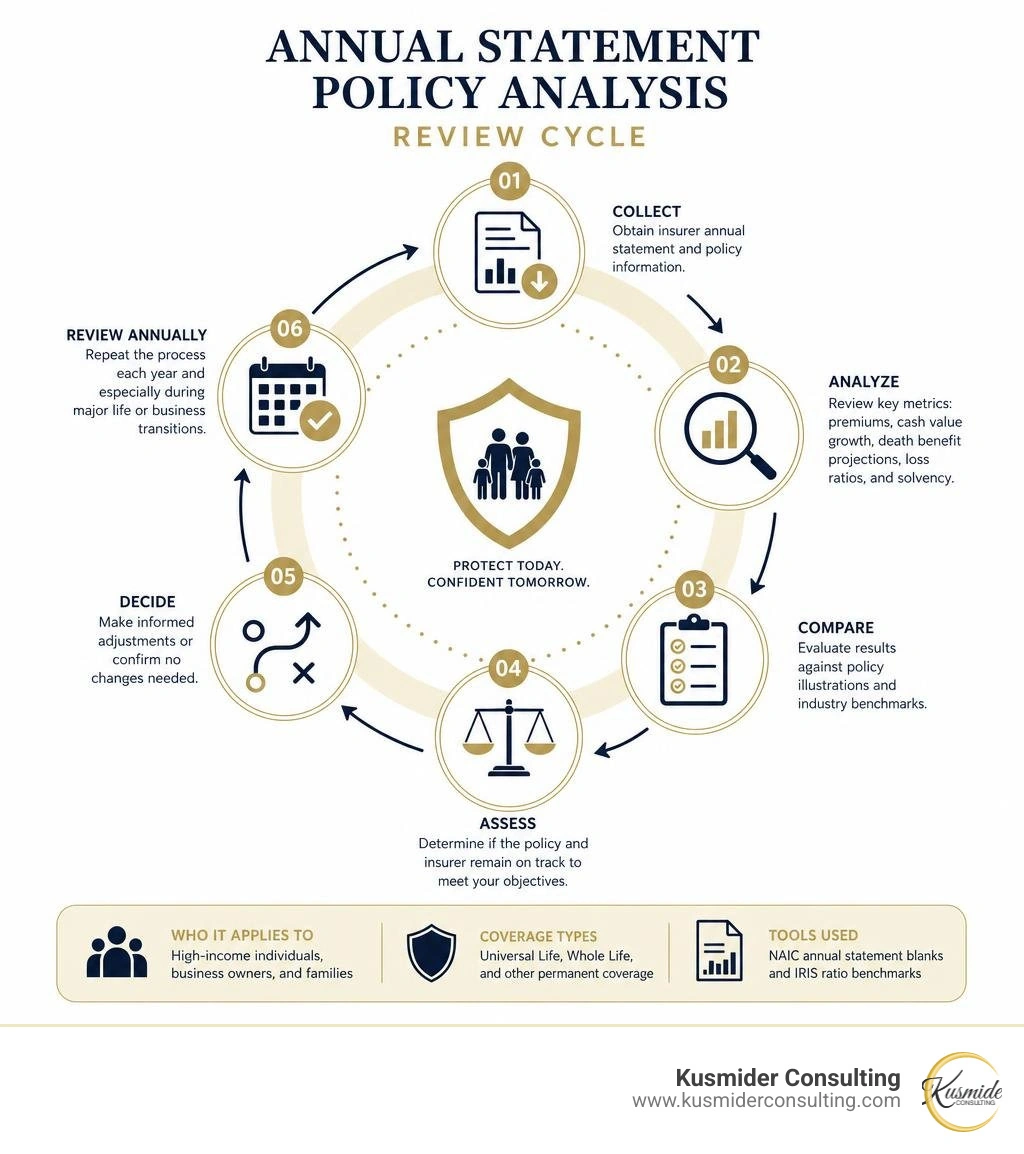
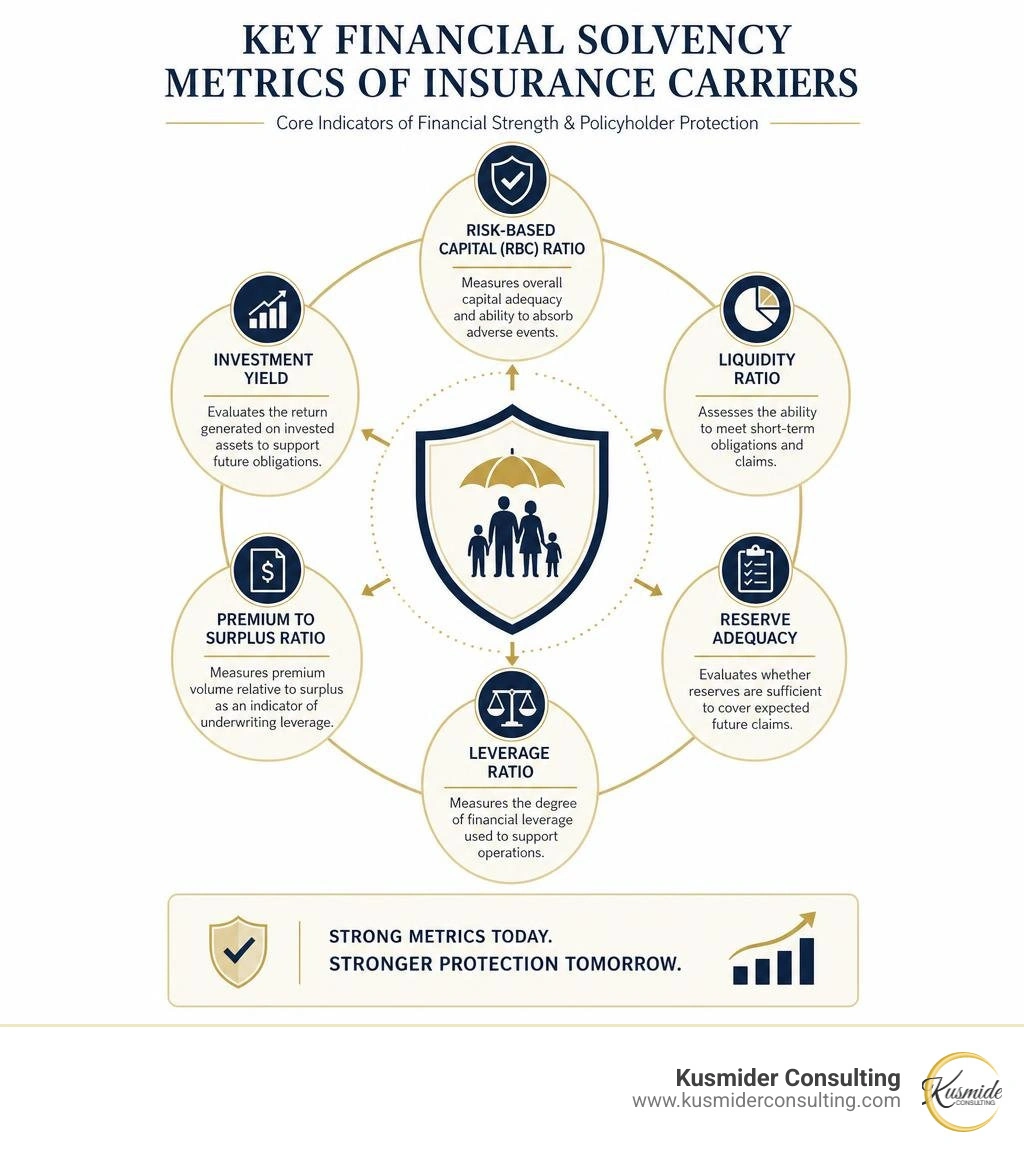
What permanent coverage is not: automatically the right answer because it sounds more comprehensive. It requires careful design to perform well over time. A policy that is underfunded, poorly structured, or purchased from an inappropriate carrier can underperform significantly. This is where independent guidance matters, and why a Life Insurance Stress Test is so valuable. We evaluate carrier financial strength using resources like the Publications - NAIC platform.
In practice, most of my clients with complex planning needs end up with a combination of term and permanent coverage. Term addresses the near-term, high-volume need (income replacement during working years, mortgage coverage, business debt. Permanent addresses lifetime goals) estate planning, business succession, legacy.
When evaluating these options, we look at both historical performance and future projections, drawing on structured methodologies similar to those found in Social Policy Resources: Policy Analysis - Guides.
The question I ask every client is: what happens if you live to 90? Term gives you nothing. Permanent gives your estate a death benefit and your family a legacy. For many of the business owners and high-income individuals I work with, that lifetime certainty is worth the premium difference. If an older policy is in danger of failing, we can explore Lapse Life Insurance Recovery strategies.
This is not a product recommendation. The right structure depends on your health, your age, your income, your goals, and your planning horizon — none of which can be assessed through a comparison article. Just as public entities publish comprehensive financial reports like the [PDF] City of Houston ACFR FY2024 to ensure transparency, private insurance decisions require clear, documented analysis. What I can tell you is that the decision deserves more than a Google search.
If you are trying to figure out which structure fits your situation, I am happy to walk through it with you. A planning conversation is the right starting point, not a quote engine.
Elizabeth works closely with wealth managers and estate attorneys to bring insurance planning into broader client conversations. We are here to help make that process simple, not stressful. You can learn more about how we support these partnerships by visiting Our Services. To schedule a planning session or discuss a client situation, reach out to Elizabeth Kusmider, CFP® at info@kusmiderconsulting.com.
As a full-service, independent brokerage based in Houston, Texas and available throughout the U.S., we specialize in aligning insurance solutions with broader financial strategies. We provide expert guidance, unbiased product recommendations, and ongoing policy oversight to ensure your coverage evolves with your needs.
Whether you're reviewing your own protection or advising clients, we’re committed to helping you make informed, confident decisions.

Elizabeth founded Kusmider Consulting with a simple goal: help people make informed insurance decisions without confusion or pressure.
As a Certified Financial Planner™, she brings a planning background to insurance work, focusing on how coverage fits into the broader financial picture, not just policy features.
If you’d like to discuss how a topic applies to your personal or professional situation, we’re happy to talk.
Schedule a Planning callLife insurance planning for people who want clarity, structure, and long-term oversight.

Securities offered through Simplicity Investments, Member FINRA/SIPC; 475 Springfield Ave, Summit, NJ 07901 (303) 797-9080. Kusmider Consulting is not affiliated with Simplicity Investments.
The Leaders Group, Inc. Customer Relationship Policy
Broker Check by FINRA .


