
Caregiving can become expensive before a family ever receives an invoice from a home-care agency or facility. The first costs may be a daughter's missed workday, a spouse declining travel, or a son rearranging his schedule to manage appointments and medications. Because no bill arrives for those sacrifices, families can underestimate how much unpaid care is already costing them.
Over time, informal caregiving can affect wages, retirement contributions, career opportunities, travel, household responsibilities, and the caregiver's own health. A few hours of help each week can also grow into daily supervision or hands-on assistance, making an arrangement that once felt manageable much harder to sustain.
This article focuses specifically on the hidden economic and personal cost of unpaid family caregiving. That keeps the planning question separate from the price of assisted living or other professional care: the issue here is how to support the people providing care so that family help remains sustainable rather than becoming an unlimited obligation.
Unpaid care has economic value even when no money changes hands. Reduced work hours can lower current income and future retirement contributions. Frequent travel, meals, household services, and childcare can add costs. Over time, the caregiver's own health may also be affected.
Those effects can accumulate quietly because they rarely appear on one statement labeled "long-term care." A caregiver who leaves work early twice a week, turns down a promotion, or pauses retirement contributions may absorb a meaningful financial cost over several years. For families evaluating long-term care costs, those indirect expenses deserve a place beside the more visible cost of professional services.
Paid support does not replace family involvement. It can make that involvement sustainable. A few hours of home care, transportation help, respite care, or adult day services may allow a spouse or adult child to remain supportive without carrying every task alone.
The best use of paid care may be the task that creates the most strain rather than the task that consumes the most time. Overnight supervision, bathing assistance, transportation, or a regular block of respite can change the caregiver's ability to work and rest. Thinking in those terms helps families evaluate professional care as support for the entire care system, not simply as an added expense.
A practical plan should name the likely caregiver and ask what that role could cost them. Would they need to reduce work? How far away do they live? Which tasks are realistic? What professional help would relieve the highest burden? Treating those answers as planning inputs makes the financial conversation more complete.
This is also where long-term care insurance and personal savings can be evaluated more thoughtfully. The question is not only whether there is enough money to pay for a facility. It is whether the family has resources that can bring in help before an unpaid caregiver reaches a breaking point. That distinction gives Oct. 04 a different planning purpose from an article focused on market prices for assisted living or insurance.
Who is most likely to provide unpaid care?
What income or career impact could that create?
Which tasks should be outsourced first?
How would respite or home care be funded?
The cost of care is not limited to professional services. Recognizing the financial and personal value of unpaid caregiving helps families build a plan that supports the caregiver as intentionally as the person receiving care.
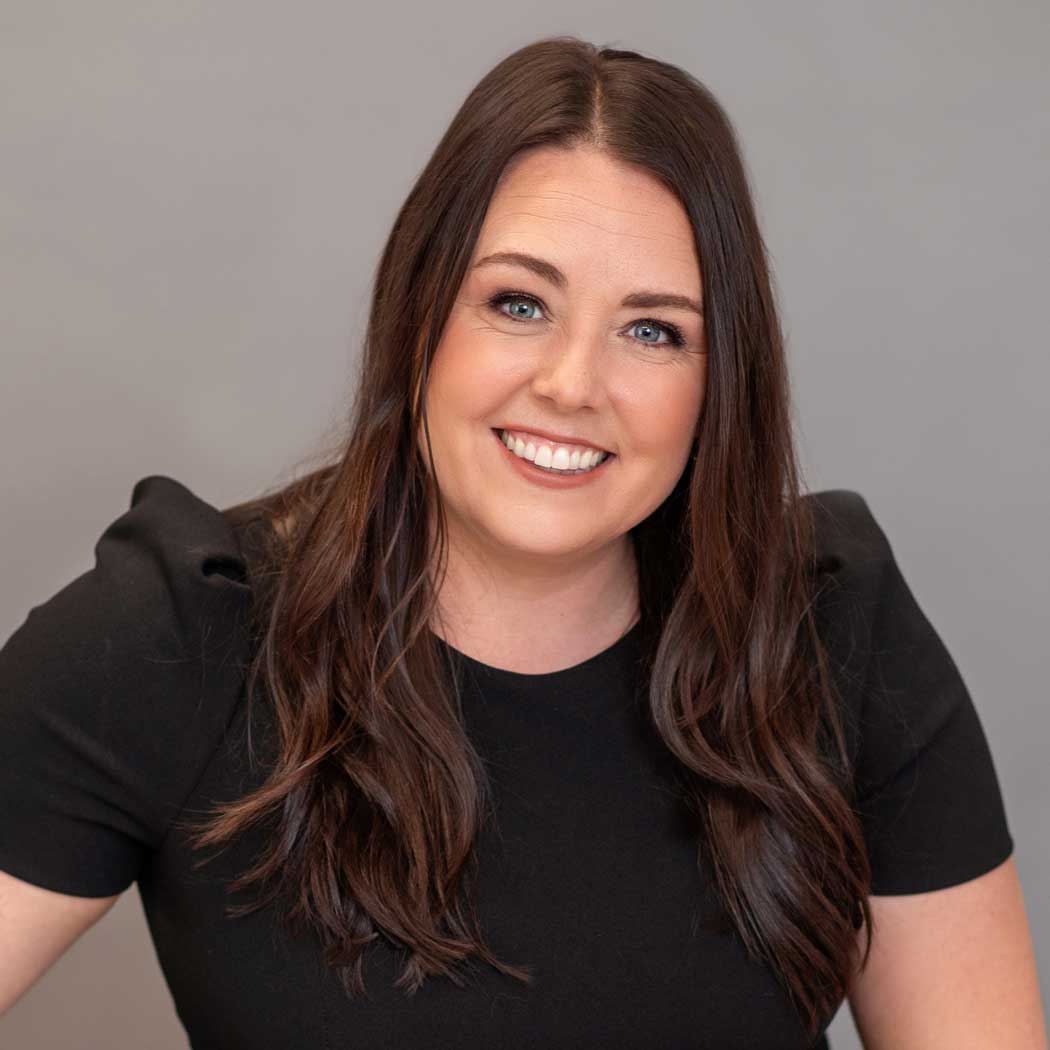
Elizabeth works closely with wealth managers and estate attorneys to bring insurance planning into broader client conversations. We are here to help make that process simple, not stressful. To schedule a planning session or discuss a client situation, reach out to Elizabeth Kusmider, CFP® at info@kusmiderconsulting.com.
As a full-service, independent brokerage based in Houston, Texas and available throughout the U.S., we specialize in aligning insurance solutions with broader financial strategies. We provide expert guidance, unbiased product recommendations, and ongoing policy oversight to ensure your coverage evolves with your needs.
Whether you're reviewing your own protection or advising clients, we’re committed to helping you make informed, confident decisions.
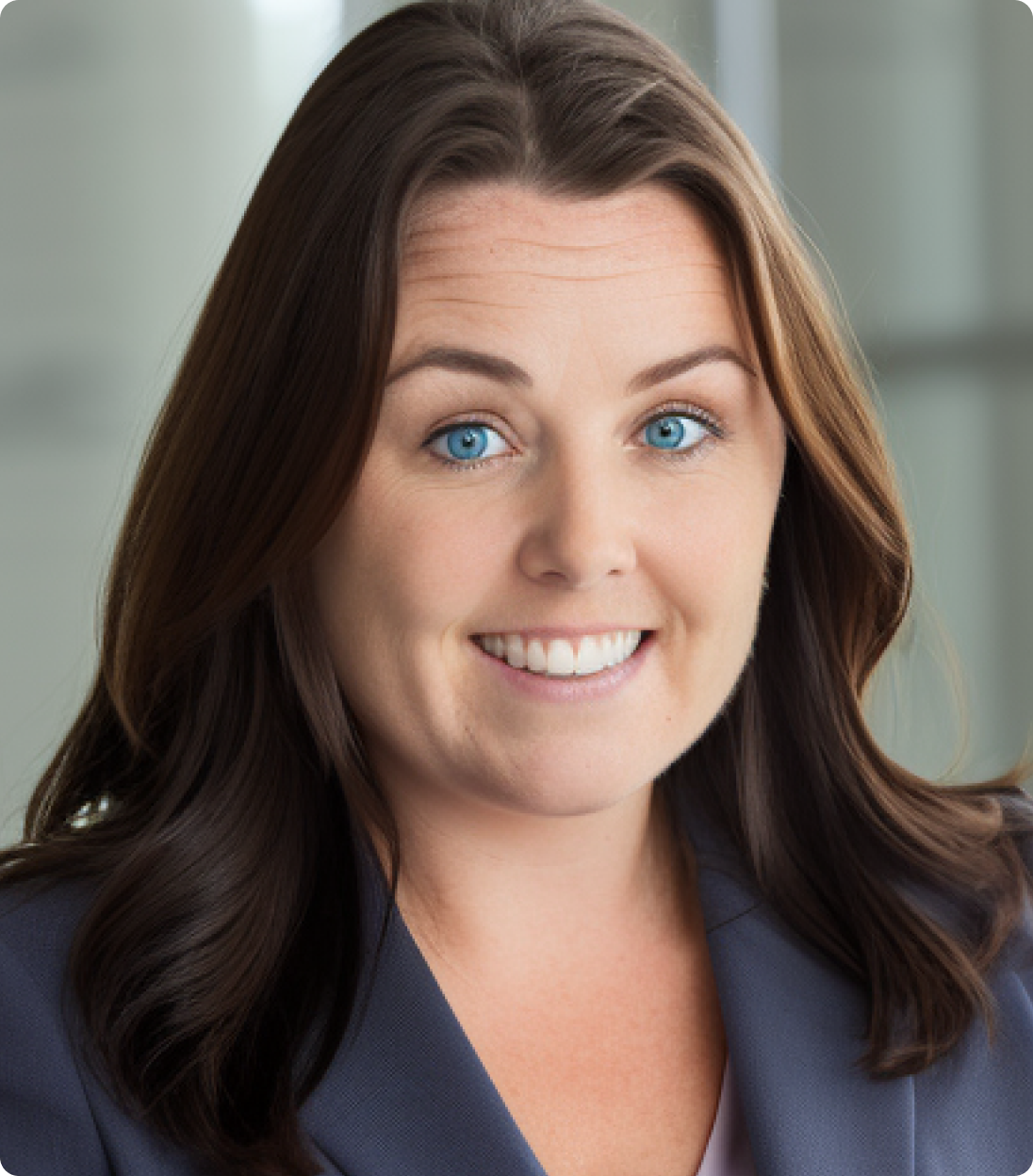
Elizabeth founded Kusmider Consulting with a simple goal: help people make informed insurance decisions without confusion or pressure.
As a Certified Financial Planner™, she brings a planning background to insurance work, focusing on how coverage fits into the broader financial picture, not just policy features.
If you’d like to discuss how a topic applies to your personal or professional situation, we’re happy to talk.
Schedule a Planning callLife insurance planning for people who want clarity, structure, and long-term oversight.
Securities offered through Simplicity Investments, Member FINRA/SIPC; 475 Springfield Ave, Summit, NJ 07901 (303) 797-9080. Kusmider Consulting is not affiliated with Simplicity Investments.
The Leaders Group, Inc. Customer Relationship Policy
Broker Check by FINRA .