
Most spouses naturally say, "I would take care of you." It is an understandable promise, but long-term care planning for couples requires a second question: what would that promise look like after months of lifting, transportation, medication management, interrupted sleep, or constant supervision?
A spouse may be the first person to help, yet that does not mean one partner should be expected to provide every level of care indefinitely. Age, health, work responsibilities, physical strength, and the complexity of the care can all affect what is realistic. Without a plan, devotion can slowly turn into exhaustion while the couple's financial life is changing at the same time.
The goal of planning is not to reduce a marriage to a list of caregiving duties. It is to protect both people. Couples can decide which responsibilities they are comfortable handling, when professional help should enter the picture, and how they would pay for care without putting the healthier spouse's retirement security at unnecessary risk.
A spouse may be willing to help and still be unable to provide every type of care safely. Physical strength, work obligations, the spouse's own health, and the intensity of supervision all matter. Planning acknowledges those limits without treating them as a lack of commitment.
The type of help matters as much as the number of hours involved. Preparing meals or driving to appointments may be manageable, while transferring someone from a bed, providing overnight supervision, or responding to cognitive changes can require skills and stamina a spouse does not have. Naming those differences early makes it easier to decide where professional care belongs in the plan.
A long care event can affect both sides of a couple's balance sheet. Professional care expenses may rise while the healthier spouse still needs housing, income, health care, and retirement resources. The funding strategy should therefore consider the survivor or caregiver's financial stability, not only the cost of the person receiving care.
That can change how a couple thinks about savings and insurance. Using every available asset for one spouse's care may create a second financial problem for the other spouse. A coordinated plan can identify which resources are intended for care, which need to continue supporting the household, and whether insurance could help reduce pressure on retirement assets.
Couples can agree on practical thresholds: when to hire home care, when nighttime supervision is too much for one person, who should coordinate with professionals, and when another care setting should be considered. Those decisions are easier to make together than during exhaustion or an emergency.
The conversation should also include the people who may eventually help carry out the plan. Adult children or trusted contacts do not need every financial detail, but they should know whom to call and where important documents are located. That preparation can keep a spouse from becoming the only person responsible for navigating care, insurance, finances, and family communication at the same time.
What care could each spouse realistically provide?
What would put the healthy spouse's finances at risk?
When should professional help begin?
Who else should know the plan?
For couples, a thoughtful plan protects the person who may need care and the person most likely to provide it. Defining limits and funding outside help can preserve both financial security and the relationship itself.
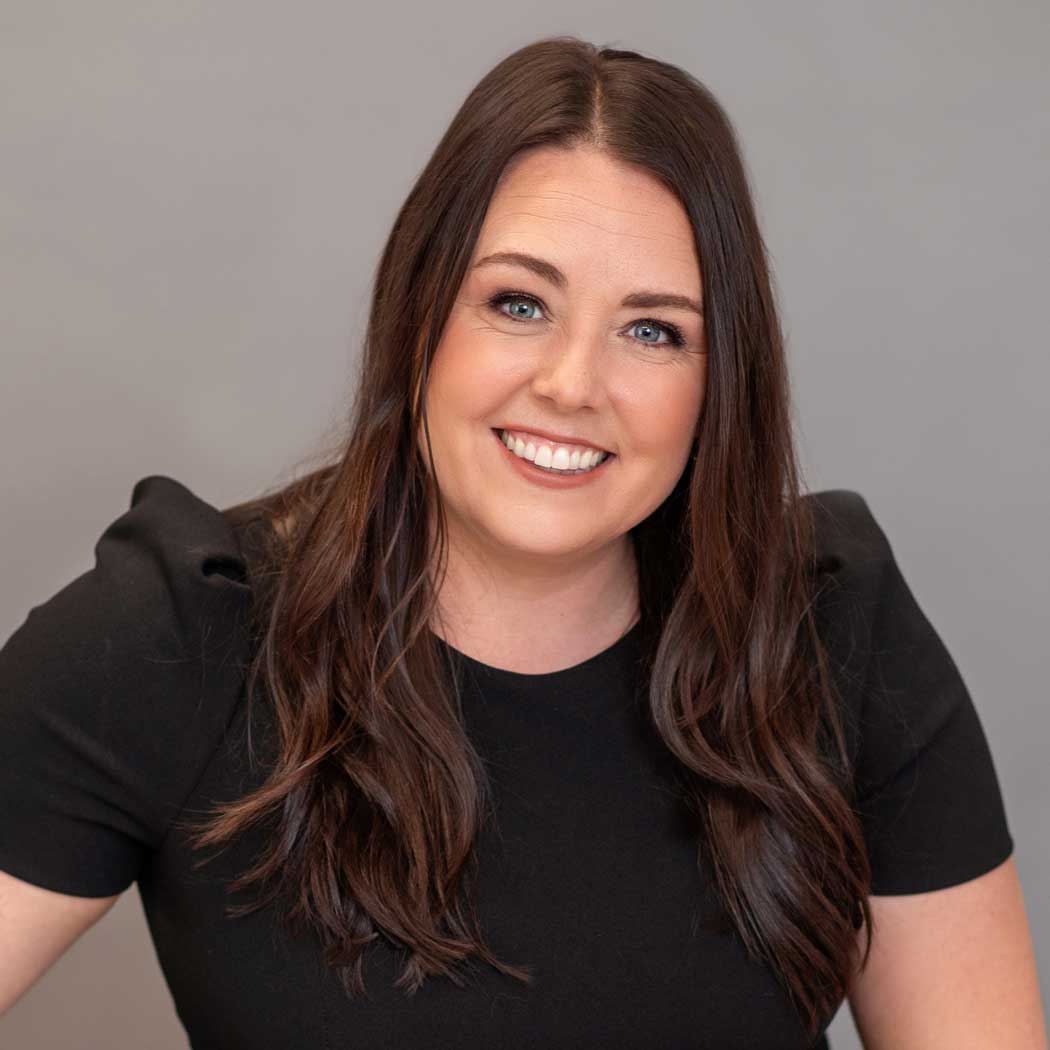
Elizabeth works closely with wealth managers and estate attorneys to bring insurance planning into broader client conversations. We are here to help make that process simple, not stressful. To schedule a planning session or discuss a client situation, reach out to Elizabeth Kusmider, CFP® at info@kusmiderconsulting.com.
As a full-service, independent brokerage based in Houston, Texas and available throughout the U.S., we specialize in aligning insurance solutions with broader financial strategies. We provide expert guidance, unbiased product recommendations, and ongoing policy oversight to ensure your coverage evolves with your needs.
Whether you're reviewing your own protection or advising clients, we’re committed to helping you make informed, confident decisions.

Elizabeth founded Kusmider Consulting with a simple goal: help people make informed insurance decisions without confusion or pressure.
As a Certified Financial Planner™, she brings a planning background to insurance work, focusing on how coverage fits into the broader financial picture, not just policy features.
If you’d like to discuss how a topic applies to your personal or professional situation, we’re happy to talk.
Schedule a Planning callLife insurance planning for people who want clarity, structure, and long-term oversight.
Securities offered through Simplicity Investments, Member FINRA/SIPC; 475 Springfield Ave, Summit, NJ 07901 (303) 797-9080. Kusmider Consulting is not affiliated with Simplicity Investments.
The Leaders Group, Inc. Customer Relationship Policy
Broker Check by FINRA .