

In a blended family, good intentions are not enough. The paperwork has to say exactly what is intended.
Blended families bring more relationships, and each one can come with its own expectations. A spouse may assume the policy is for the household while a child from an earlier marriage assumes it is for them.
The only way to avoid that mismatch is to decide what each policy is supposed to do, write it down, and make sure the paperwork matches the intention. These are the points where gaps most often appear.
A blended family may include a current spouse, former spouse, biological children, stepchildren, adopted children, and obligations from a divorce decree. Each relationship may carry emotional and financial responsibilities.
Life insurance can help, but only if beneficiary designations and ownership are carefully reviewed.
A common planning challenge is balancing support for a current spouse with support for children from a prior relationship. Naming one person as beneficiary may not accomplish both goals.

This is where trusts, multiple policies, or percentage-based beneficiary designations may be considered with professional guidance.
Policies from before remarriage may still name an ex-spouse, parent, or only one child. A beneficiary designation that once made sense may now create conflict or leave someone unprotected.
This is why remarriage should trigger a full policy review, not just a quick name change.
Blended family planning is not only about money. It is about reducing confusion during an already painful time. Clear designations, documented intentions, and coordinated estate planning can prevent family members from having to guess.
The best plan is one that reflects the real family structure, not an outdated version of it.
Talking through these as a family before changing any forms can prevent surprises later.
Can I split life insurance proceeds between a spouse and children from a previous marriage?
Yes. Beneficiary forms often allow percentage splits, and some families use separate policies or a trust instead. The right approach depends on the family and should be coordinated with estate planning.
What if my spouse and my children disagree about the plan?
A documented plan and an open conversation help. Clear beneficiary designations leave less room for disagreement, and an attorney can help structure arrangements that respect both sets of needs.
Should stepchildren be named as beneficiaries?
Stepchildren do not receive proceeds unless they are named, so if you want to include them, name them explicitly.
If you have questions about your current coverage or want to understand how your policy fits into the broader picture, I am happy to walk through it with you. Reach out at info@kusmiderconsulting.com or call (713) 487-8855. The conversation is where it actually gets useful.
As a full-service, independent brokerage based in Houston, Texas and available throughout the U.S., we specialize in aligning insurance solutions with broader financial strategies. We provide expert guidance, unbiased product recommendations, and ongoing policy oversight to ensure your coverage evolves with your needs.
Whether you're reviewing your own protection or advising clients, we’re committed to helping you make informed, confident decisions.

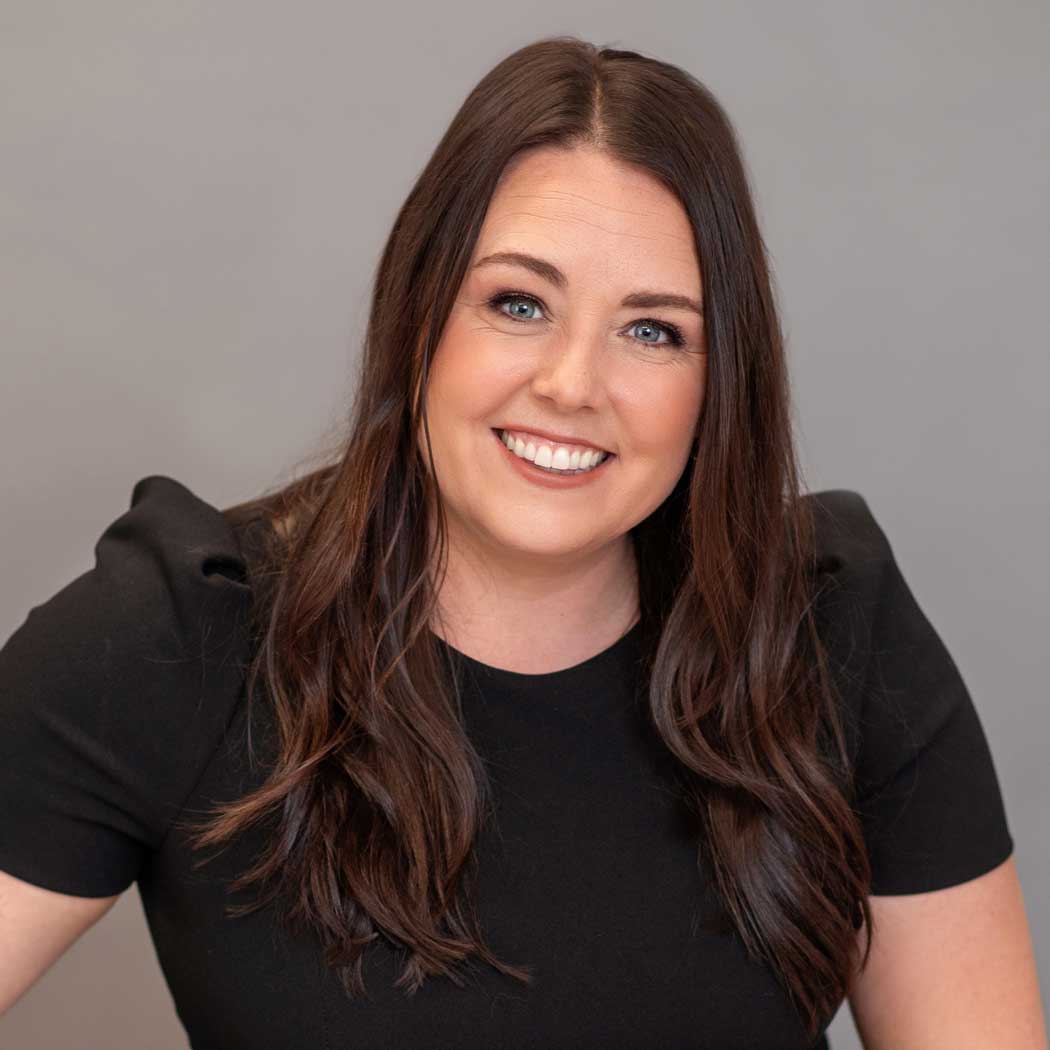
Elizabeth founded Kusmider Consulting with a simple goal: help people make informed insurance decisions without confusion or pressure.
As a Certified Financial Planner™, she brings a planning background to insurance work, focusing on how coverage fits into the broader financial picture, not just policy features.
If you’d like to discuss how a topic applies to your personal or professional situation, we’re happy to talk.
Schedule a Planning callLife insurance planning for people who want clarity, structure, and long-term oversight.
Securities offered through Simplicity Investments, Member FINRA/SIPC; 475 Springfield Ave, Summit, NJ 07901 (303) 797-9080. Kusmider Consulting is not affiliated with Simplicity Investments.
The Leaders Group, Inc. Customer Relationship Policy
Broker Check by FINRA .


