
Long-term care policies often use clinical-sounding language to describe very personal changes in daily life. One of the most important examples is the phrase activities of daily living, commonly shortened to ADLs. These are basic tasks that help determine whether a person can function safely without hands-on assistance.
ADLs matter because many long-term care insurance policies use the inability to perform a specified number of these activities—or a qualifying cognitive impairment—as part of the benefit-trigger process. Understanding the concept before a claim is needed can help families recognize why a policy may evaluate care differently from a doctor's diagnosis alone.
The terminology should never replace the actual policy language. Definitions, triggers, and documentation requirements can vary. Still, knowing what ADLs represent gives families a practical way to discuss how a person's increasing need for help could affect caregiving, care settings, and insurance benefits.
Activities of daily living commonly include bathing, dressing, eating, toileting, transferring, and continence. Difficulty with one task may require only limited assistance, while difficulty with several can create a need for regular hands-on care. Cognitive impairment can create significant supervision needs even when someone remains physically capable of completing many tasks.
For families, the useful point is not memorizing a list. It is noticing how changes in these activities affect safety and independence. Needing help getting in and out of a shower, for example, can be a very different care need from requiring continuous supervision because of memory loss.
Many LTC insurance contracts specify how functional or cognitive impairment must be documented before benefits are payable. A policy may refer to assistance with a certain number of ADLs, but the exact requirements, certification process, elimination period, and covered services should be verified in that specific contract.
That is why a family should not assume that needing help automatically means a claim will be approved—or that a particular diagnosis automatically triggers benefits. Reviewing policy language before care is urgent can make the claims process easier to understand.
Once a family understands the benefit trigger, the next question is what the actual need would require. Could a spouse safely provide the assistance? Would a home caregiver be needed each morning? Would cognitive supervision make remaining alone unsafe? How many hours of paid support might be necessary?
Those questions connect insurance language to financial planning. A benefit amount that looks substantial on paper should be evaluated against the likely level of care, local service costs, and any expenses the household would still need to cover itself.
Activities of daily living are important because they connect everyday care needs with the way many LTC policies evaluate eligibility for benefits. Understanding both the human need and the contract language can help families plan more realistically for when outside care may be required.
Elizabeth works closely with wealth managers and estate attorneys to bring insurance planning into broader client conversations. We are here to help make that process simple, not stressful. To schedule a planning session or discuss a client situation, reach out to Elizabeth Kusmider, CFP® at info@kusmiderconsulting.com.
As a full-service, independent brokerage based in Houston, Texas and available throughout the U.S., we specialize in aligning insurance solutions with broader financial strategies. We provide expert guidance, unbiased product recommendations, and ongoing policy oversight to ensure your coverage evolves with your needs.
Whether you're reviewing your own protection or advising clients, we’re committed to helping you make informed, confident decisions.
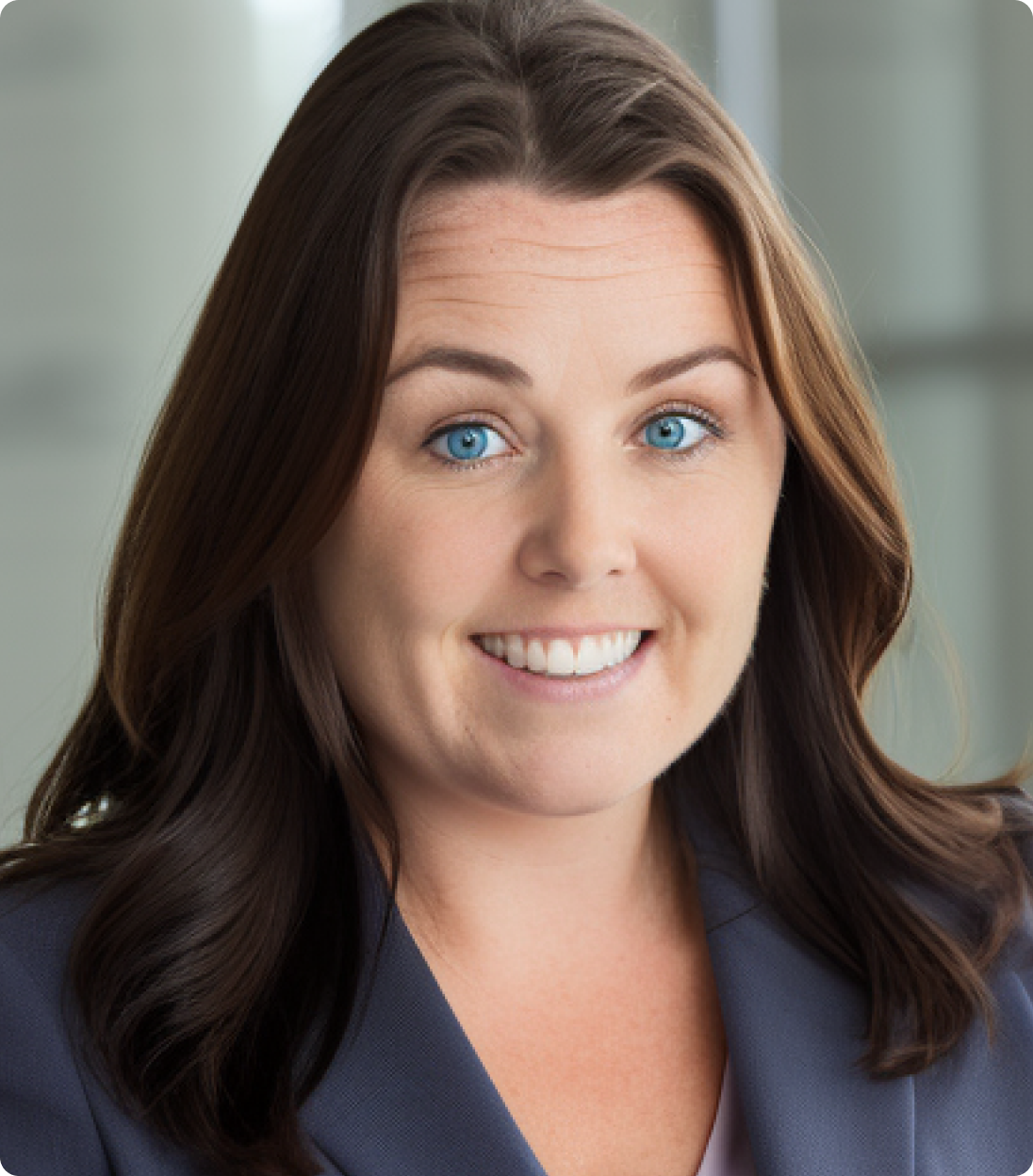
Elizabeth founded Kusmider Consulting with a simple goal: help people make informed insurance decisions without confusion or pressure.
As a Certified Financial Planner™, she brings a planning background to insurance work, focusing on how coverage fits into the broader financial picture, not just policy features.
If you’d like to discuss how a topic applies to your personal or professional situation, we’re happy to talk.
Schedule a Planning callLife insurance planning for people who want clarity, structure, and long-term oversight.

Securities offered through Simplicity Investments, Member FINRA/SIPC; 475 Springfield Ave, Summit, NJ 07901 (303) 797-9080. Kusmider Consulting is not affiliated with Simplicity Investments.
The Leaders Group, Inc. Customer Relationship Policy
Broker Check by FINRA .