

There is a detail buried in most disability insurance policies that the majority of policyholders have never read. It is the definition of disability. Specifically, it determines what it means to be disabled under the terms of your policy. And that definition is what your insurer will apply if you ever make a claim.
The two most common versions of that definition are own occupation and any occupation. They sound similar. They work very differently.
Under an own-occupation definition, you are considered disabled if you cannot perform the material and substantial duties of your specific occupation at the time of the disability. The policy does not require that you be unable to work at any job. It asks only whether you can do your job.
The practical effect of this definition is significant for anyone with specialized skills or training. Suppose a surgeon develops a neurological condition affecting fine motor control. Under a true own-occupation policy, that surgeon is disabled for the purposes of their claim, even if they are otherwise healthy and could teach, consult, or work in another field. The benefit pays because they cannot do their specific work.
Own-occupation policies are generally more expensive to purchase individually because they provide broader protection. They are most commonly held by physicians, dentists, attorneys, and other professionals whose earning capacity is tied to their ability to perform a specific set of skills.

Under an any-occupation definition, you are considered disabled only if you cannot perform the duties of any occupation for which you are reasonably qualified based on your education, training, and experience. That is a significantly higher bar.
That same surgeon, under an any-occupation policy, might not qualify for benefits if the insurer determines that their background qualifies them to teach medical school, consult, or supervise clinical staff. The fact that they cannot practice surgery is not enough. They must be unable to work in any occupation that fits their credentials. The added challenge here is the amount of income they can earn. As a surgeon they made a lot more than a professor would. This means substantially different life-styles without the right policy.
Most group disability plans provided through employers use some form of any-occupation definition, often after an initial period of 24 months under own-occupation terms. Many employees do not know this. The policy looks like coverage. The definition determines whether it actually functions that way.
Find the section of your current policy that defines disability. Look for the words own occupation, any occupation, or both. Many group policies apply own-occupation for the first two years and then convert to any-occupation. That transition point is where a significant number of claims are denied.
If your current coverage uses an any-occupation definition and you have specialized training or high earning capacity tied to a specific set of skills, supplementing with an individual own-occupation policy may be worth examining as part of your broader income protection plan. This is a planning consideration, not a recommendation. Consult your advisor to understand what your specific situation warrants.
If you have questions about your current coverage or want to understand how your policy fits into the broader picture, I am happy to walk through it with you. Reach out at info@kusmiderconsulting.com or call (713) 487-8855. The conversation is where it actually gets useful.
As a full-service, independent brokerage based in Houston, Texas and available throughout the U.S., we specialize in aligning insurance solutions with broader financial strategies. We provide expert guidance, unbiased product recommendations, and ongoing policy oversight to ensure your coverage evolves with your needs.
Whether you're reviewing your own protection or advising clients, we’re committed to helping you make informed, confident decisions.
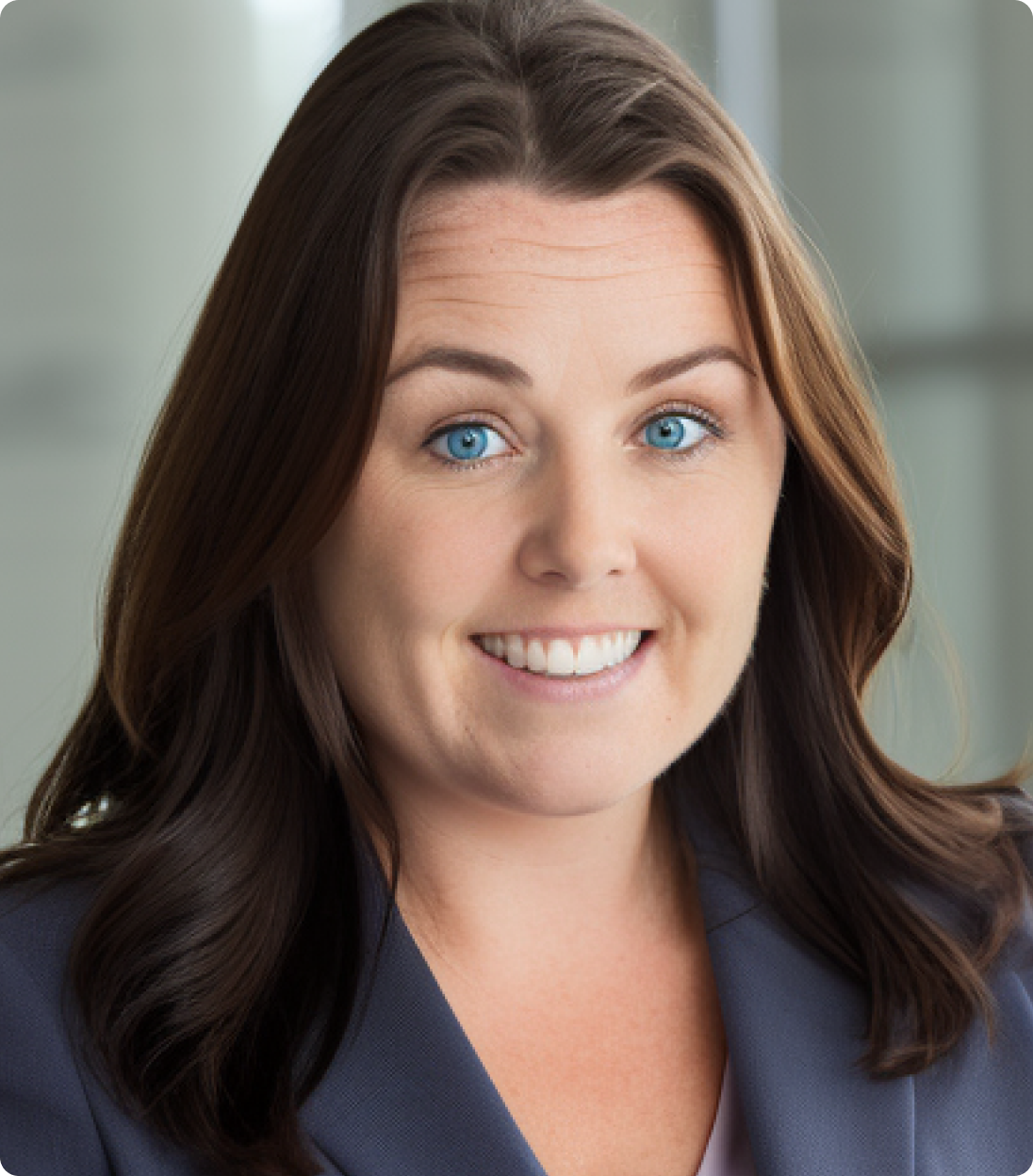
Elizabeth founded Kusmider Consulting with a simple goal: help people make informed insurance decisions without confusion or pressure.
As a Certified Financial Planner™, she brings a planning background to insurance work, focusing on how coverage fits into the broader financial picture, not just policy features.
If you’d like to discuss how a topic applies to your personal or professional situation, we’re happy to talk.
Schedule a Planning callLife insurance planning for people who want clarity, structure, and long-term oversight.
Securities offered through Simplicity Investments, Member FINRA/SIPC; 475 Springfield Ave, Summit, NJ 07901 (303) 797-9080. Kusmider Consulting is not affiliated with Simplicity Investments.
The Leaders Group, Inc. Customer Relationship Policy
Broker Check by FINRA .