
Many retirees assume Medicare will step in if they eventually need ongoing help at home or in a care facility. That assumption can create a serious gap because Medicare is primarily health insurance, not a broad funding source for custodial long-term care. A person can finish treatment for an illness or injury and still need months or years of help with everyday activities.
The difference matters because families often build retirement plans around expenses they expect Medicare to cover. Skilled nursing and home health benefits can be valuable when specific Medicare requirements are met, but they should not be confused with unlimited assistance for bathing, dressing, eating, supervision, or other ongoing personal-care needs.
A stronger long-term care plan starts by understanding where Medicare coverage may end. From there, a family can decide which combination of income, savings, private long-term care insurance, or other resources could address the care expenses that remain.
Medicare may cover certain skilled nursing or home health services when its eligibility rules are met. That is different from open-ended payment for custodial assistance. A person may still need substantial help with daily activities even when there is no longer a qualifying skilled-care benefit.
That gap is especially important after a hospitalization or rehabilitation stay. A patient may improve enough that skilled treatment is no longer required while still being unable to bathe safely, prepare meals, manage medications, or remain home alone. Those ongoing needs can create real costs even though they no longer fit the type of care Medicare is designed to cover.
Once that distinction is clear, families can identify the resources that would address an extended care need. The answer may involve personal assets, income, long-term care insurance, Medicaid for those who qualify, or a combination. The important step is to avoid assigning Medicare a role it does not have.
A funding plan should also consider timing. Some insurance policies have elimination periods before benefits begin, while Medicaid has financial and eligibility rules that require careful planning. Families who know which resource is expected to pay first, second, and later are better positioned than families relying on a general assumption that health coverage will handle the expense.
Ask what would happen after a short period of skilled care ends. Who pays if help is still needed every day? Is the home suitable for paid caregivers? Has the family reviewed the actual language of any LTC policy? These questions expose gaps while there is still time to address them.
It is also worth confirming assumptions directly rather than relying on what a friend or relative experienced. Coverage depends on the type of service, the person's circumstances, and the rules that apply at the time care is delivered. Understanding those boundaries can make retirement and long-term care planning more realistic.
What skilled services might Medicare cover?
How would ongoing custodial care be funded?
Could Medicaid eligibility ever become relevant?
What private coverage already exists?
Medicare should be understood for what it does well without being treated as a substitute for a long-term care funding strategy. Knowing the boundary allows the family to plan deliberately for the expenses that may fall outside it.
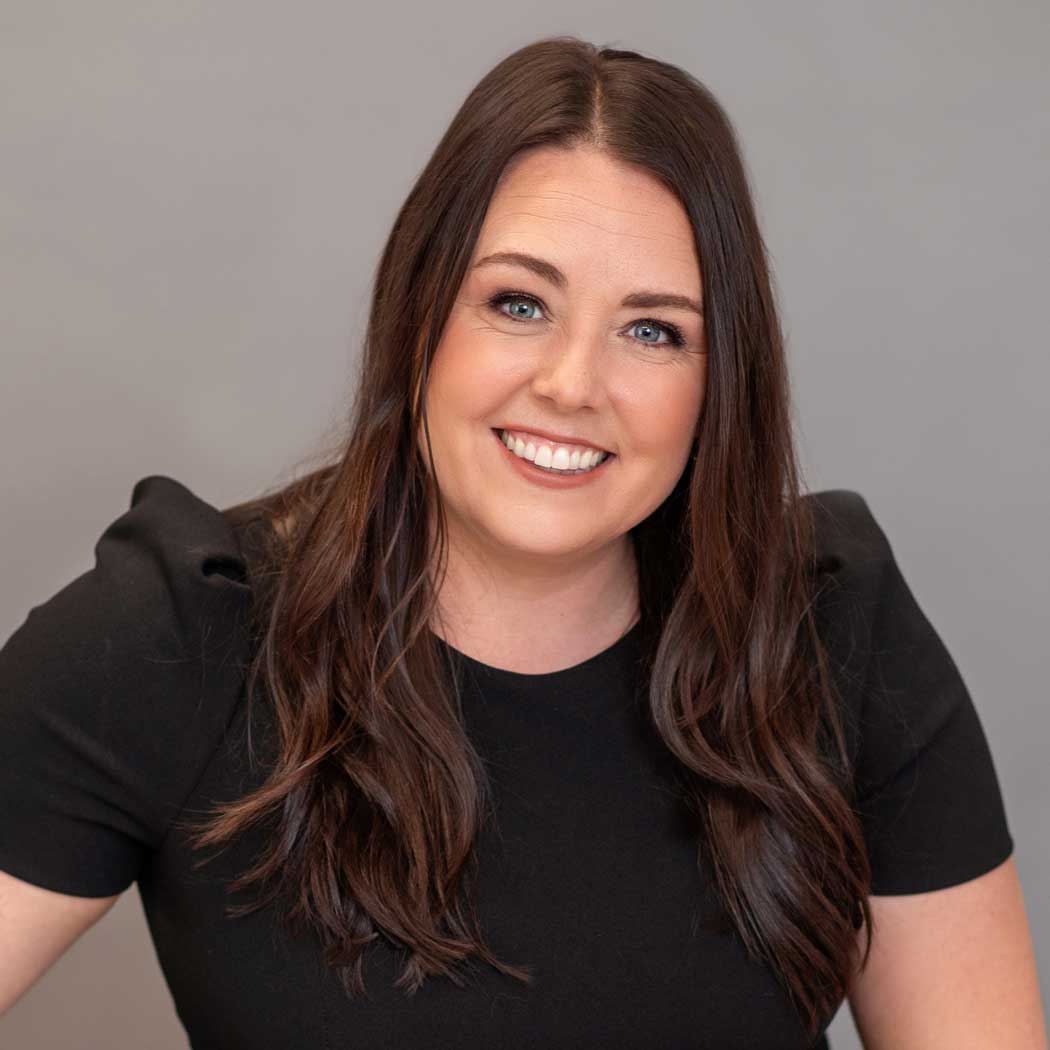
Elizabeth works closely with wealth managers and estate attorneys to bring insurance planning into broader client conversations. We are here to help make that process simple, not stressful. To schedule a planning session or discuss a client situation, reach out to Elizabeth Kusmider, CFP® at info@kusmiderconsulting.com.
As a full-service, independent brokerage based in Houston, Texas and available throughout the U.S., we specialize in aligning insurance solutions with broader financial strategies. We provide expert guidance, unbiased product recommendations, and ongoing policy oversight to ensure your coverage evolves with your needs.
Whether you're reviewing your own protection or advising clients, we’re committed to helping you make informed, confident decisions.
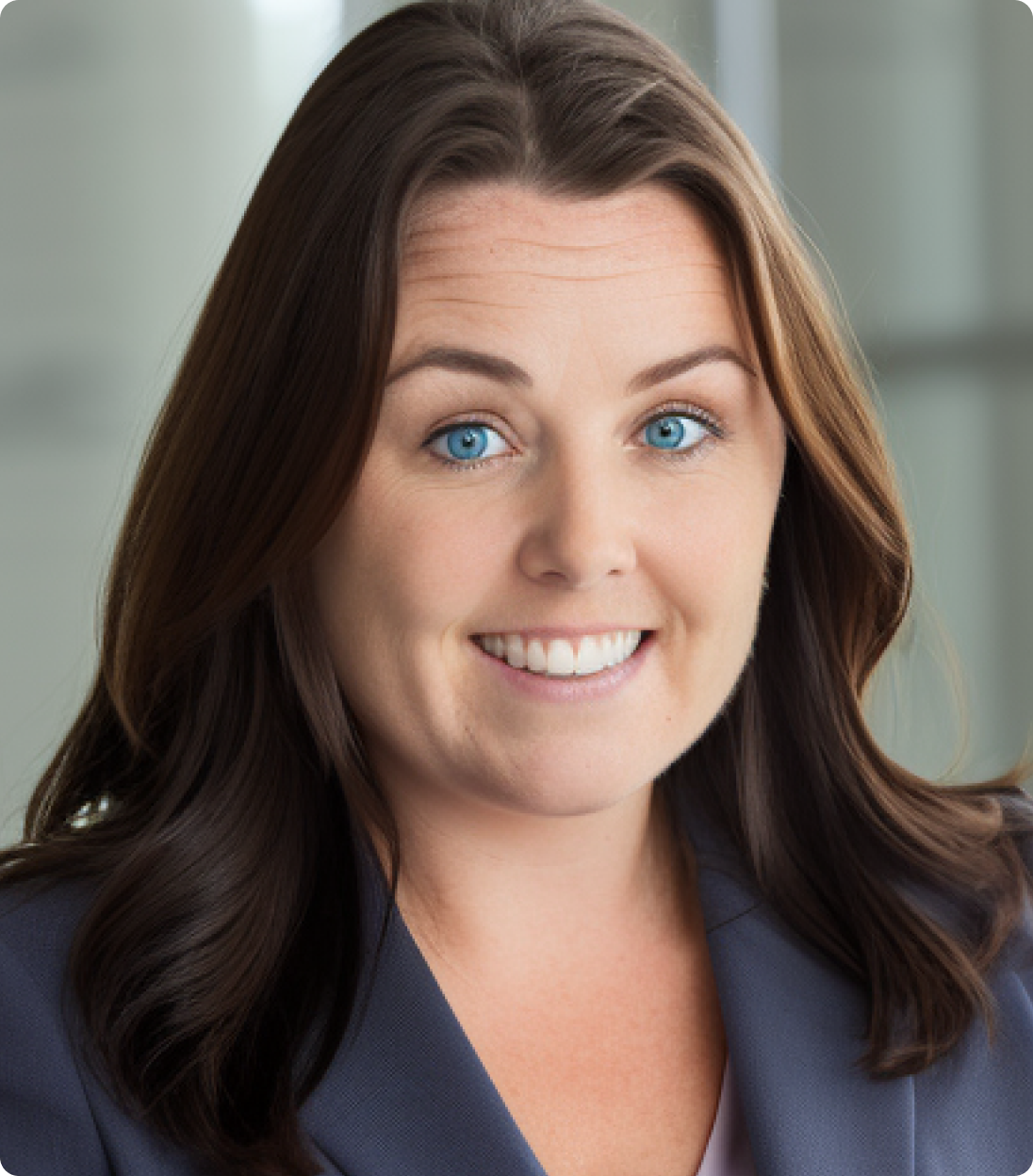
Elizabeth founded Kusmider Consulting with a simple goal: help people make informed insurance decisions without confusion or pressure.
As a Certified Financial Planner™, she brings a planning background to insurance work, focusing on how coverage fits into the broader financial picture, not just policy features.
If you’d like to discuss how a topic applies to your personal or professional situation, we’re happy to talk.
Schedule a Planning callLife insurance planning for people who want clarity, structure, and long-term oversight.
Securities offered through Simplicity Investments, Member FINRA/SIPC; 475 Springfield Ave, Summit, NJ 07901 (303) 797-9080. Kusmider Consulting is not affiliated with Simplicity Investments.
The Leaders Group, Inc. Customer Relationship Policy
Broker Check by FINRA .