
Feeling healthy can make long-term care planning seem like a conversation for much later. In practice, good health is one of the reasons to start earlier: there is no immediate care decision forcing the timeline, and families can evaluate choices without the pressure of a diagnosis, hospitalization, or sudden loss of independence.
Early long-term care planning is not a prediction that care will be needed. It is a way to decide how a future need would be handled if it develops. That can include discussing preferred care settings, identifying who would coordinate help, reviewing retirement resources, organizing legal documents, and understanding whether insurance should have a role.
Timing can also affect the options available. Health changes may influence eligibility or pricing for private long-term care insurance, while waiting can leave less time to save or prepare a home for aging in place. Starting while healthy gives the planning process something valuable: flexibility.
When there is no immediate care need, families can compare approaches rather than reacting to the first available solution. They can explore insurance, self-funding, home modifications, local care resources, and family responsibilities on their own timeline. That makes it easier to evaluate tradeoffs instead of treating long-term care as a single yes-or-no insurance decision.
For people considering private coverage, earlier conversations may also matter because underwriting generally evaluates health. The purpose of discussing coverage early is not to assume everyone should buy a policy. It is to understand which choices may be available now and how those choices fit the rest of the financial plan.
Long-term care touches more than insurance. A wealth manager may need to understand which assets could be used for care, an estate attorney can help establish decision-making authority, and family members need enough information to know what role they may be expected to play. Those pieces are easier to coordinate before anyone is overwhelmed by a care event.
A healthy-period review can also expose assumptions that have never been tested. Someone may expect a spouse to provide care without discussing physical limits, or assume retirement income can absorb professional care without modeling the effect. Turning those assumptions into specific decisions is one of the most useful reasons to plan early.
Start with preferences rather than products. Where would you want care to begin? Who would be the first person to coordinate it? Which responsibilities would you not want placed on a spouse or adult child? How much of a future care expense could reasonably come from retirement income or savings?
Then review the practical pieces: powers of attorney, beneficiary and contact information, existing insurance, and the location of important documents. The objective is not to finish every decision in one meeting. It is to create a framework that can be updated as health, finances, and family circumstances change.
Healthy people have an advantage in long-term care planning because they can make decisions before urgency narrows the conversation. Using that time to understand options, coordinate advisors, and clarify family expectations can preserve more flexibility later.
Elizabeth works closely with wealth managers and estate attorneys to bring insurance planning into broader client conversations. We are here to help make that process simple, not stressful. To schedule a planning session or discuss a client situation, reach out to Elizabeth Kusmider, CFP® at info@kusmiderconsulting.com.
As a full-service, independent brokerage based in Houston, Texas and available throughout the U.S., we specialize in aligning insurance solutions with broader financial strategies. We provide expert guidance, unbiased product recommendations, and ongoing policy oversight to ensure your coverage evolves with your needs.
Whether you're reviewing your own protection or advising clients, we’re committed to helping you make informed, confident decisions.
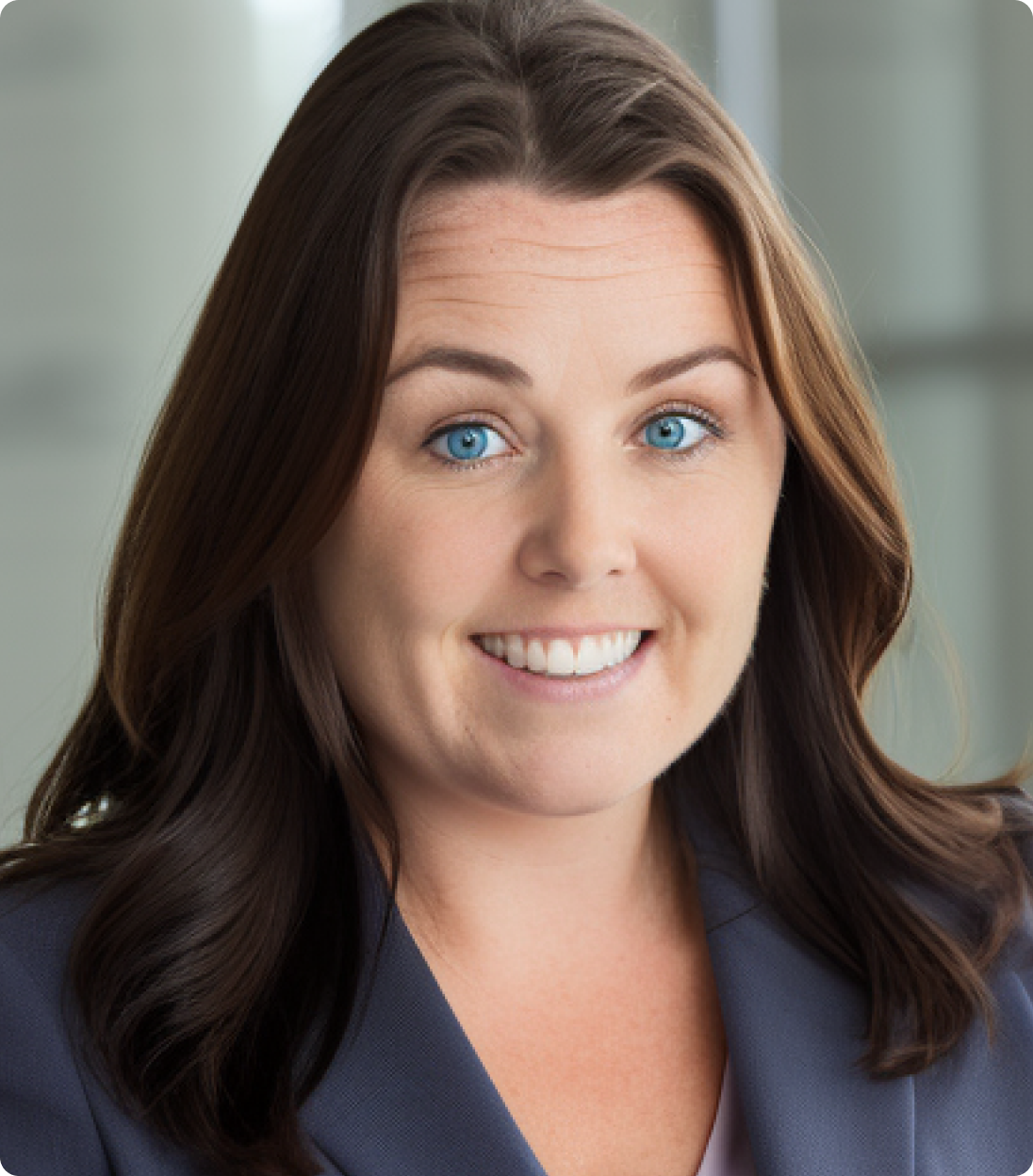
Elizabeth founded Kusmider Consulting with a simple goal: help people make informed insurance decisions without confusion or pressure.
As a Certified Financial Planner™, she brings a planning background to insurance work, focusing on how coverage fits into the broader financial picture, not just policy features.
If you’d like to discuss how a topic applies to your personal or professional situation, we’re happy to talk.
Schedule a Planning callLife insurance planning for people who want clarity, structure, and long-term oversight.
Securities offered through Simplicity Investments, Member FINRA/SIPC; 475 Springfield Ave, Summit, NJ 07901 (303) 797-9080. Kusmider Consulting is not affiliated with Simplicity Investments.
The Leaders Group, Inc. Customer Relationship Policy
Broker Check by FINRA .